Top Sewer Inspection Tools & Equipment in 2024
Discover the latest sewer inspection tools and equipment, enhancing efficiency and safety in the plumbing industry for 2024.
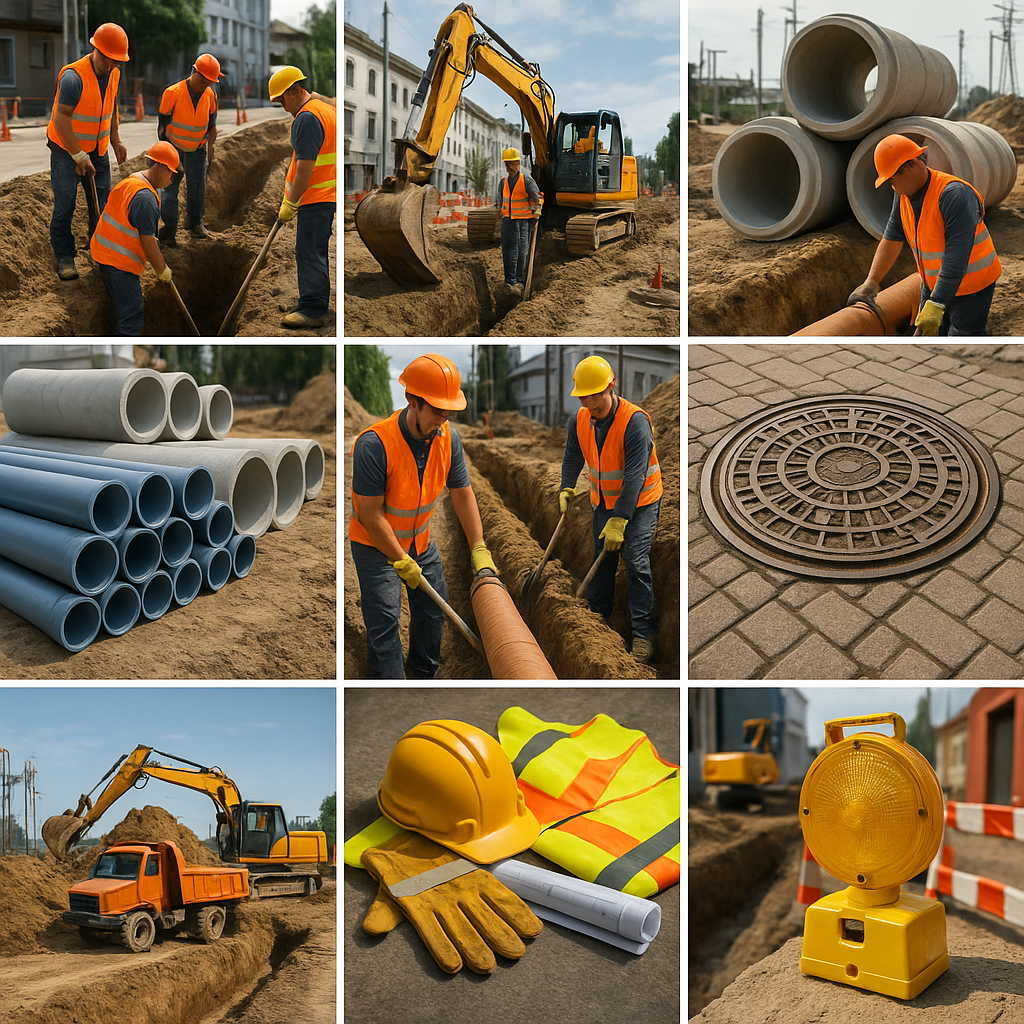
Top Sewer Inspection Tools & Equipment in 2024
Introduction
The sewer inspection industry in 2024 is at the forefront of technological advancement, driven by the need for efficiency, accuracy, and environmental sustainability. With innovations such as AI-powered systems, robotic crawlers, and IoT sensors, businesses can now perform inspections with greater ease and precision. This article explores these tools and offers insights into their practical applications and benefits.
The Role of AI in Sewer Inspection
AI-Powered Inspection Systems
Artificial Intelligence is revolutionizing sewer inspections by enabling automated defect detection and real-time data analysis. Systems like SewerAI enhance productivity by identifying issues before they escalate, thus saving time and reducing costs.
- Automated Defect Detection: AI software analyzes video feeds to identify cracks, blockages, and other defects.
- Predictive Maintenance: By analyzing historical data, AI can predict potential failures, allowing for timely interventions.
Benefits of AI in Inspections
- Increased Accuracy: Reduces human error in inspections.
- Efficiency: Doubles productivity by automating routine tasks.
- Cost-Effectiveness: Reduces the need for manual inspections, saving labor costs.
Robotic Crawlers and Drones
Enhancing Access and Safety
Robotic crawlers equipped with high-definition cameras and sensors can navigate complex sewer networks, providing detailed inspections without human intervention.
- 3D Mapping: Creates detailed maps of sewer systems for better planning and maintenance.
- Autonomous Navigation: Reduces the need for human entry into hazardous environments.
Advantages of Using Robotics
- Safety: Minimizes worker exposure to dangerous conditions.
- Comprehensive Inspections: Offers thorough assessments of hard-to-reach areas.
Integration with Digital Twins and GIS
Advanced Network Visualization
Digital twins and Geographic Information Systems (GIS) provide a virtual representation of sewer networks, facilitating better asset management and predictive modeling.
- Lifecycle Management: Supports long-term planning and resource allocation.
- Real-Time Data: Offers insights into the current state of infrastructure.
Practical Applications
- Resource Allocation: Optimizes manpower and equipment usage.
- Predictive Modeling: Anticipates future maintenance needs, reducing downtime.
Smart Sensors and IoT in Sewer Systems
Real-Time Monitoring
IoT sensors are deployed to continuously monitor sewer systems, detecting leaks and blockages to prevent environmental hazards.
- Instant Alerts: Provides immediate notifications of system anomalies.
- Data-Driven Decisions: Facilitates proactive maintenance strategies.
Benefits of IoT Integration
- Reduced Downtime: Prevents significant disruptions by addressing issues promptly.
- Environmental Protection: Minimizes the risk of contamination and compliance breaches.
Industry Regulations and Standards
Compliance and Safety
The industry is subject to evolving regulations, emphasizing open data standards and environmental compliance.
- Open Data Standards: Ensures interoperability between systems and agencies.
- Environmental Regulations: Encourages the use of eco-friendly technologies.
Safety Enhancements
- Remote Inspection Protocols: Reduces the need for physical presence in hazardous areas.
- Enhanced Safety Equipment: Standardizes the use of portable gas detectors and real-time video feeds.
Market Trends and Opportunities
Growth and Innovation
The sewer inspection market is expanding rapidly, driven by urbanization and the need for sustainable solutions.
- Market Size: Projected to exceed $9.2 billion globally.
- Eco-Friendly Technologies: Growing demand for sustainable inspection methods.
Business Opportunities
- Collaborations: Partnerships between technology providers and utilities foster innovation.
- Service Quality: Advancements in technology improve operational standards.
Cost Considerations
Investment and Savings
While cutting-edge technology requires significant initial investment, the long-term savings due to increased efficiency and reduced labor costs are considerable.
- Initial Costs: Higher for AI and robotic systems.
- Operational Savings: Reduced lifecycle costs through predictive maintenance.
Conclusion
The sewer inspection industry in 2024 is characterized by the integration of advanced technologies that enhance safety, efficiency, and environmental compliance. Businesses adopting these innovations are well-positioned to address the challenges of modern infrastructure management.