Top Trends in Sewer Inspection Technology 2024
Discover the latest trends in sewer inspection technology for 2024, including AI, robotics, and digital integration, enhancing efficiency and safety.
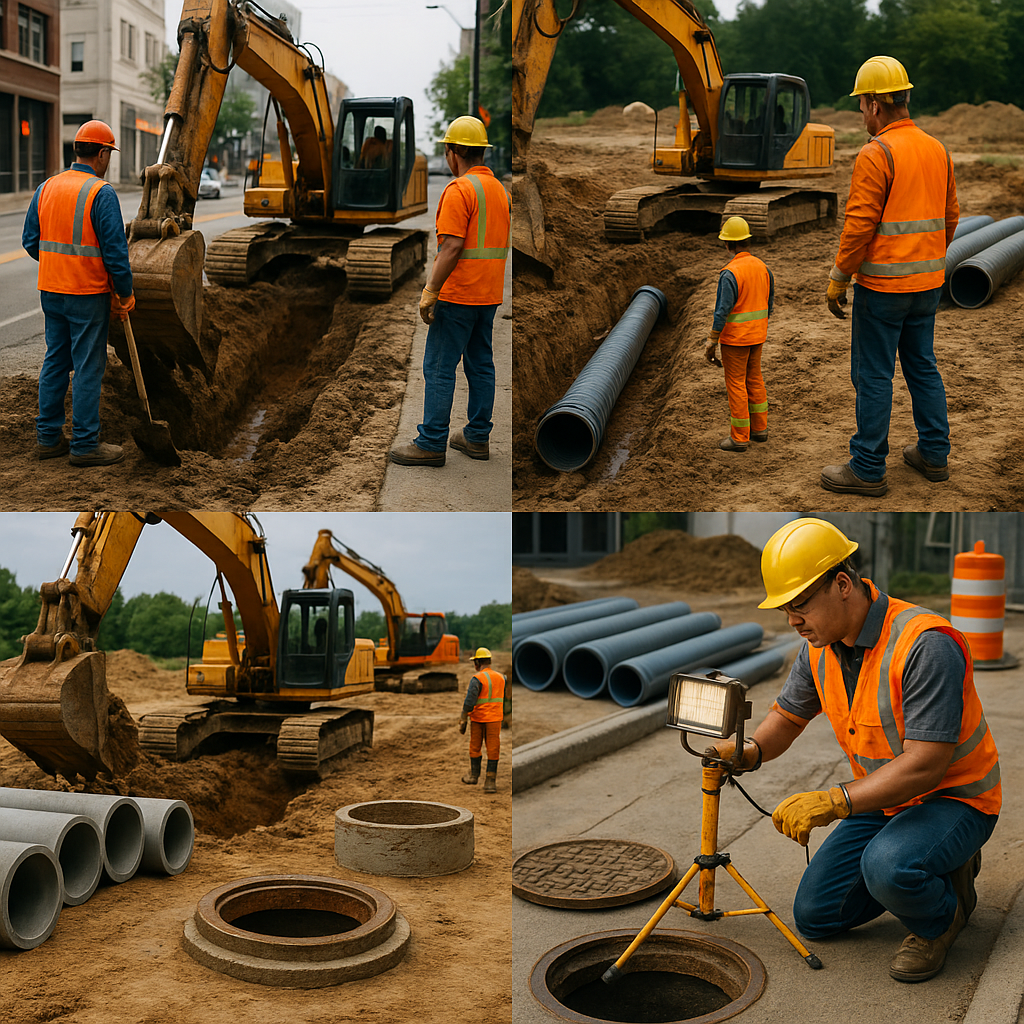
Top Trends in Sewer Inspection Technology 2024
The sewer inspection industry is undergoing a transformative phase in 2024, thanks to cutting-edge advancements in robotics, artificial intelligence (AI), and digital technologies. These innovations are redefining the landscape by enhancing inspection accuracy, efficiency, and safety. This article explores the current trends, offering insights into how these technologies are reshaping the sector.
The Rise of Robotics in Sewer Inspection
Robotic Crawler Systems
One significant trend in sewer inspection is the adoption of robotic crawler systems. These machines are equipped with high-definition, pan-and-tilt cameras and advanced sensors. They provide detailed visual and spatial analysis of sewer conditions while minimizing human entry into hazardous environments.
- High-Definition Cameras: Capture clear images for better defect identification.
- Pan-and-Tilt Features: Allow comprehensive coverage of the sewer interiors.
- Advanced Sensors: Detect gas levels, temperature, and humidity for a safer inspection process.
Beyond Inspection
Robotics is not only limited to inspection but is also expanding into areas like automated repairs, leak detection, and drain cleaning. These applications reduce labor intensity and operational downtime, offering significant cost savings.
Artificial Intelligence Enhancements
Automated Defect Detection
AI is revolutionizing how defects are detected and addressed in sewer systems. Automated systems can now identify issues such as cracks, blockages, and leaks with high precision, enabling faster and more accurate interventions.
Predictive Rehabilitation Planning
AI-driven predictive analytics are crucial in planning maintenance schedules. By analyzing historical and real-time data, these systems can forecast potential failures and suggest preventive measures, reducing emergency repairs and associated costs.
Real-Time Data Analytics
Real-time data analytics offer utilities the ability to prioritize maintenance tasks and allocate resources more effectively, optimizing the overall inspection process.
Digital Twins and GIS Integration
Creating Dynamic Models
Digital twins and GIS integration are becoming standard practices, allowing for dynamic, comprehensive models of sewer networks. These models improve infrastructure management by providing better visualization and benchmarking capabilities.
- Visualization: Enhanced graphical representation of sewer networks.
- Benchmarking: Compare with national standards to ensure compliance.
Improved Decision-Making
With GIS integration, decision-makers can overlay various data sets to make more informed choices regarding infrastructure investments and maintenance strategies.
Market Growth and Opportunities
The global sewer inspection technology market is booming, with a projected value exceeding $9 billion. This growth is driven by urbanization and the pressing need for sustainable infrastructure maintenance.
Innovations in Plumbing
Smart Plumbing Systems
Innovations such as smart plumbing systems—featuring remote monitoring, water-efficient fixtures, and greywater recycling—are aligning with environmental sustainability goals.
Enhancing Safety
By minimizing human entry into confined spaces, these technologies significantly enhance worker safety. Remote-controlled or autonomous devices reduce exposure to hazardous conditions.
Best Practices for 2024
Regular Equipment Upgrades
Adopting a proactive approach to equipment upgrades ensures that businesses remain competitive and compliant with evolving regulations.
Integration of AI-Driven Predictive Maintenance
Incorporating AI-driven predictive maintenance strategies can prevent failures and optimize operational schedules.
Adhering to Environmental Regulations
Staying updated with environmental regulations ensures compliance and promotes sustainable practices.
Case Studies and Cost-Benefit Analysis
Recent case studies highlight how municipalities have doubled inspection productivity and saved millions through AI-assisted systems. Although initial investments in these technologies can be substantial, they are often offset by long-term savings from reduced manual labor and fewer emergency repairs.
Conclusion
The trends in sewer inspection technology for 2024 center on robotics, AI, digital twins, and smart systems. Collectively, they improve inspection precision, operational efficiency, safety, and sustainability in sewer and plumbing infrastructure management.
Practical Tips
- Invest Early: Early adopters of new technologies can gain a competitive edge.
- Training: Regular training for staff on new technologies ensures efficient use.
- Monitor Trends: Stay informed about industry trends to adapt quickly.
Actionable Advice
- Evaluate Needs: Assess your current systems and identify areas for technological upgrades.
- Leverage Data: Use data analytics to drive decision-making.
- Engage Experts: Collaborate with tech vendors and industry experts to maximize benefits.