Understanding Pipe Material Standards in Sewer Inspection
Explore the latest pipe material standards, technologies, and trends transforming sewer inspections in 2024.
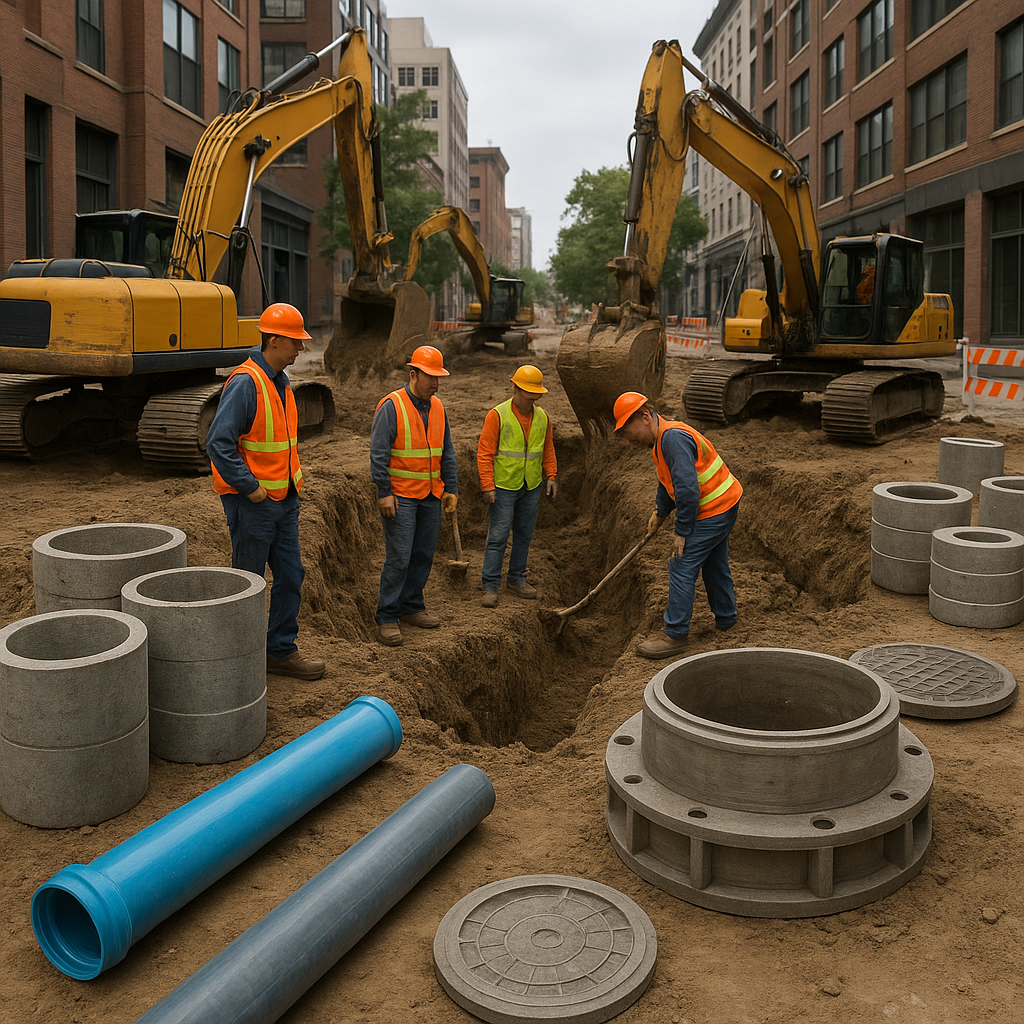
Understanding Pipe Material Standards in Sewer Inspection
In the rapidly evolving world of sewer inspection, staying updated with the latest pipe material standards is crucial. These standards not only ensure the durability and safety of sewer systems but also guide maintenance and rehabilitation strategies in an increasingly complex regulatory environment.
The Role of Pipe Material Standards
Pipe materials play a pivotal role in the lifecycle of sewer systems. Standards are designed to ensure that these materials meet stringent criteria for:
- Durability: Ensuring long-term performance under various environmental conditions.
- Safety: Minimizing the risk of leaks, breaks, and contamination.
- Environmental Impact: Complying with local and federal regulations.
Key Materials Used in Sewer Systems
- Concrete Pipes: Known for their strength and longevity, suitable for large diameter applications.
- PVC Pipes: Lightweight and resistant to corrosion, ideal for residential and commercial applications.
- Clay Pipes: Historically used, with good resistance to chemical corrosion.
- Ductile Iron Pipes: Strong and flexible, often used in high-pressure systems.
Technological Advancements in Inspection
Robotic and Autonomous Systems
Modern sewer inspections leverage robotic systems equipped with:
- High-Definition CCTV Cameras: Provide clear images for accurate defect detection.
- AI-Powered Defect Detection: Automates the identification of cracks, corrosion, and joint displacement.
Intelligent Sensors
Sensors integrated into pipe systems now monitor:
- Flow Rates and Pressure: Helping detect abnormalities early.
- Gas Concentrations: Identifying hazardous leaks that could compromise pipe integrity.
Digital Twins and GIS Integration
The use of digital twins combined with GIS technology allows for:
- Detailed Mapping: Offering a complete view of pipe conditions and inspection history.
- Enhanced Decision-Making: Facilitating proactive maintenance planning.
Navigating Industry Regulations
Compliance and Reporting
Adhering to regulations such as those from the EPA is now streamlined by:
- Automated Reporting: Ensures timely and accurate compliance documentation.
- Open Data Standards: Promote consistent evaluation across jurisdictions.
Benchmarking and Lifecycle Analysis
National benchmarking dashboards aid utilities by:
- Lifecycle Cost Analysis: Evaluating cost-effectiveness of different materials.
- Rehabilitation Planning: Prioritizing interventions based on material conditions.
Market Trends and Opportunities
AI-Assisted Inspection Software
The rise of AI in inspection technologies offers:
- Increased Efficiency: Reducing time and cost through automation.
- Predictive Rehabilitation Models: Guiding maintenance based on material forecasts.
Business Opportunities
Companies specializing in advanced inspection services can benefit from:
- Cost Savings: Through reduced labor and faster service delivery.
- Enhanced Service Offerings: By integrating AI and robotics into their operations.
Safety Protocols and Best Practices
Remote Inspection Technologies
Reducing worker exposure to hazardous environments through:
- Remote Monitoring: Minimizing the need for confined space entry.
- Real-Time Video Feeds: Allowing for immediate hazard identification.
Standard Safety Tools
Essential tools include:
- Portable Gas Detectors: Crucial for identifying toxic gas leaks.
- Safety Gear: Ensuring worker protection during inspections.
Case Study: Town of Newburgh
The Town of Newburgh's integration of AI-powered inspection apps with digital twins highlights:
- Enhanced Condition Assessment: Accurate mapping and monitoring of pipe conditions.
- Proactive Maintenance: Leading to extended pipe lifespan and reduced failures.
Cost Implications
While initial investment in AI and robotic systems can be high, the long-term benefits include:
- Doubling Productivity: Leading to significant cost savings.
- Reduced Emergency Repairs: Through accurate and timely detection of material issues.
Conclusion
The integration of advanced technologies in sewer inspections is revolutionizing the evaluation and management of pipe materials. By adhering to updated standards and leveraging AI-driven analytics, utilities can ensure their systems are safe, efficient, and compliant. The focus on predictive maintenance models and digital mapping is not only enhancing transparency but also optimizing lifecycle management of essential infrastructure.
Practical Tips for Professionals
- Stay Updated: Regularly review industry standards and technological advancements.
- Invest in Training: Ensure your team is skilled in using the latest inspection technologies.
- Embrace Data-Driven Decisions: Utilize analytics to guide maintenance and rehabilitation strategies.