Trenchless Repair Case Studies: 2024 Insights & Innovations
Explore 2024's trenchless repair advancements with case studies showcasing AI, NDT, and sustainable sewer solutions.
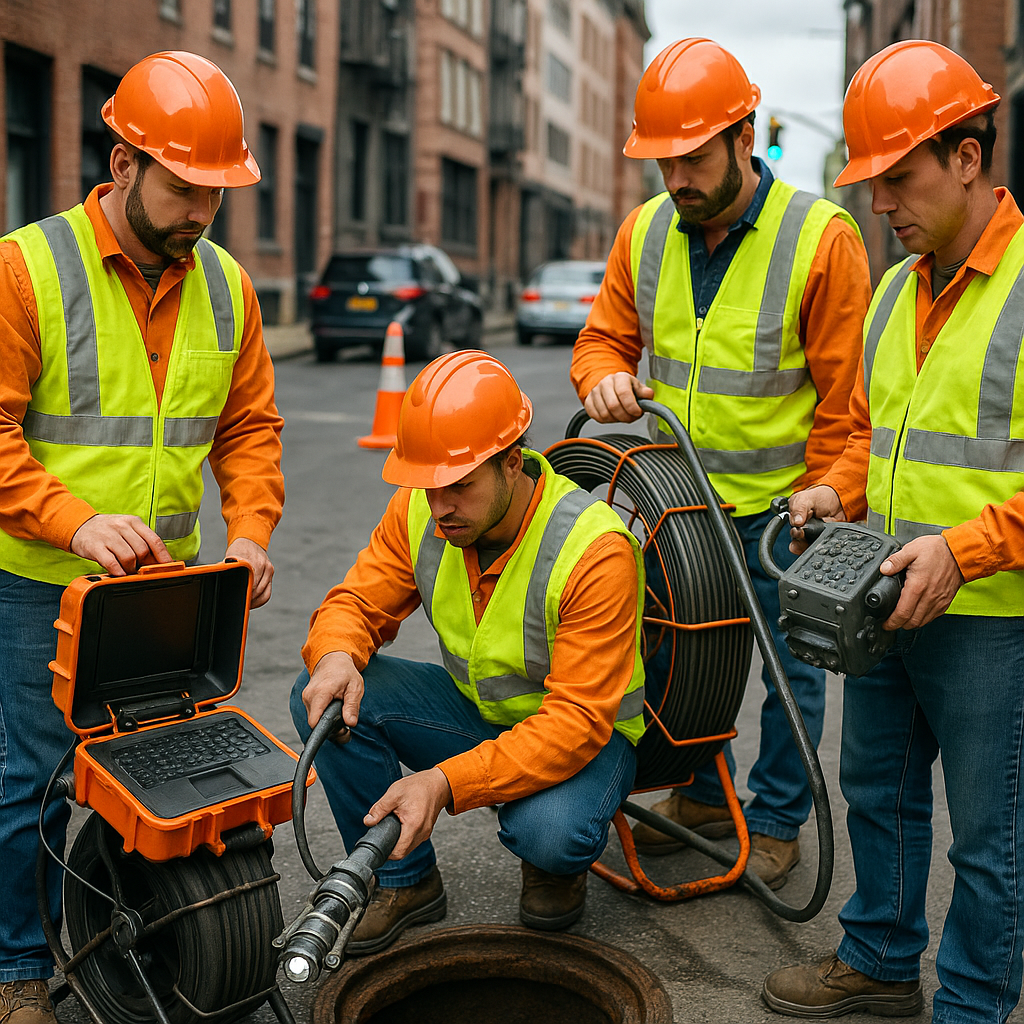
Trenchless Repair Case Studies: 2024 Insights & Innovations
Introduction
In 2024, the trenchless repair industry continues to evolve rapidly, driven by technological advancements and a growing demand for sustainable infrastructure solutions. This article delves into recent case studies, highlighting the integration of AI, non-destructive testing (NDT), and other innovations that redefine sewer inspection and repair.
New Technologies and Equipment
AI and Machine Learning
The use of AI and machine learning in sewer inspection has revolutionized the field, offering predictive maintenance capabilities and real-time decision-making support.
- Predictive Maintenance: AI algorithms analyze inspection data to predict potential failures, allowing proactive repairs.
- Real-Time Decision-Making: Machine learning models provide instant insights during inspections, enhancing accuracy.
Non-Destructive Testing (NDT)
NDT methods are becoming increasingly popular, allowing comprehensive system assessments without excavation.
- Advantages:
- Minimizes environmental impact
- Reduces operational downtime
- Enhances safety by preventing unnecessary digging
Advanced Sewer Inspection Cameras
Inspection cameras now offer digitalized data, improving storage, analysis, and sharing.
- Features:
- High-resolution imaging
- Remote accessibility
- Integration with cloud-based platforms
Industry Regulations and Standards
Regulatory bodies are emphasizing environmental compliance and infrastructure safety, promoting trenchless technologies.
- Government Initiatives:
- Increased funding for infrastructure upgrades
- Encouragement of eco-friendly repair methods
Market Trends and Business Opportunities
Market Growth
The global sewer inspection systems market is projected to grow significantly.
- Projections:
- Growth from USD 500 million in 2024 to USD 800 million by 2033
- Sewer inspection camera market to reach USD 0.53 billion by 2033
Opportunities
- Rising urban populations and aging infrastructure create demand for innovative repair solutions.
- Post-pandemic emphasis on reliable sewer systems accelerates technology adoption.
Safety Protocols and Best Practices
Trenchless methods align with safety protocols by reducing excavation risks and downtime.
- Best Practices:
- Use real-time data to guide repairs
- Implement AI-driven defect detection
- Focus on targeted, non-invasive interventions
Recent Case Studies
While specific 2024 case studies are scarce, notable successes highlight the benefits of trenchless repair.
Municipal Projects
- Integration of AI-driven inspections extended system lifespans and reduced hazards.
- Trenchless rehabilitation minimized surface disruption and cost.
Cost and Pricing Information
Investing in advanced inspection and trenchless technologies offers long-term savings.
- Cost Considerations:
- Initial costs may be high, but reduced excavation and downtime lower overall expenses.
- Pricing varies based on technology and project scale.
Conclusion
Trenchless repair in 2024 is defined by AI-enabled, non-destructive technologies, regulatory support, and market expansion. These advancements ensure safer, cost-effective sewer system rehabilitation, making trenchless methods a preferred solution in the plumbing and sewer industry.
Practical Tips for Professionals
- Adopt AI Tools: Utilize AI for predictive maintenance and real-time insights.
- Embrace NDT: Leverage non-destructive testing for thorough assessments.
- Stay Informed: Keep up with regulatory changes and market trends.