Trenchless Repair: 2024 Case Studies & Innovations
Explore trenchless repair case studies and innovations in sewer inspection for 2024. Discover cutting-edge AI technologies, market trends, and best practices.
Introduction
In 2024, the sewer inspection and plumbing industry stands at the forefront of technological innovation, with trenchless repair methods leading the charge. This article explores recent case studies, technological advancements, and market trends that make trenchless repair a preferred choice for municipalities and contractors worldwide.
Technological Advancements in Trenchless Repair
AI-Powered and Automated Inspection Systems
AI technology is revolutionizing sewer inspections by providing high accuracy in detecting defects such as cracks and root intrusions. These systems not only speed up the inspection process but also offer predictive maintenance insights, helping to prevent costly failures.
High-Definition Imaging Technologies
The use of 4K and ultra-HD cameras, combined with 3D laser scanning and sonar, allows for detailed volumetric data collection. This precision is essential for planning effective trenchless repairs.
Robotic Crawlers and Modular Robots
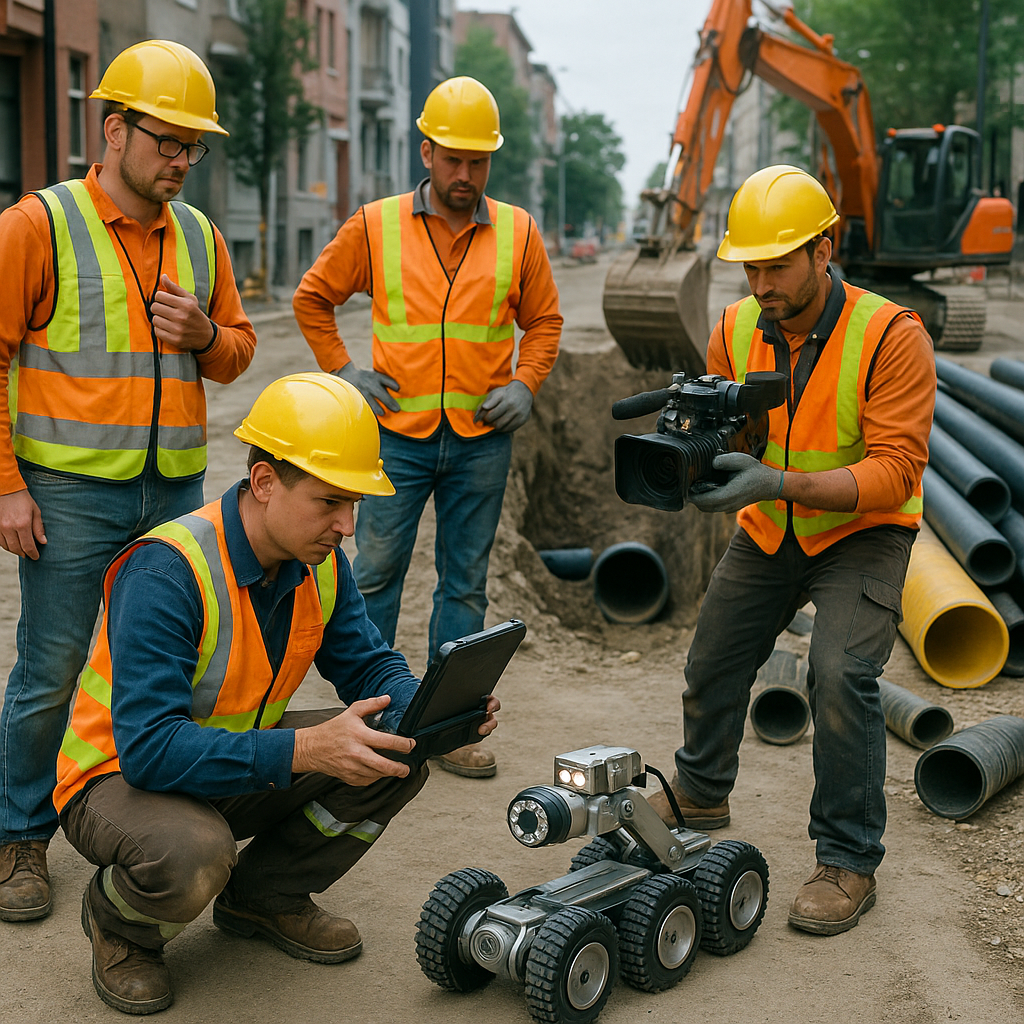
Modern robotic crawlers, like Envirosight’s ROVVER X SAT II, enhance inspection quality by navigating complex pipe systems without the need for excavation. Their versatility makes them ideal for both residential and municipal applications.
Wireless Connectivity and Cloud-Based Data Management
Real-time data transmission facilitated by wireless connectivity and cloud-based systems enables collaborative decision-making, speeding up trenchless repair operations.
Regulatory Drivers and Industry Standards
Environmental Regulations
Stricter environmental regulations now mandate regular sewer inspections, emphasizing non-destructive testing methods. Trenchless technologies align perfectly with these requirements, minimizing environmental impact.
Compliance and Adoption
Municipalities are increasingly adopting trenchless repair methods to comply with regulations, reduce disruption, and enhance operational efficiency.
Market Trends and Business Opportunities
Growing Market Demand
The sewer inspection market is projected to grow significantly by 2030, driven by aging infrastructure and the need for cost-effective maintenance solutions.
Portable and Wireless Systems
The rise of portable, battery-powered inspection systems is opening up new business opportunities in hard-to-access and residential areas, broadening the scope of trenchless repair applications.
Mergers and Acquisitions
Larger companies are actively acquiring specialized firms to broaden their trenchless technology offerings, highlighting the competitive nature of the market.
Safety Protocols and Best Practices
Enhancing Worker Safety
The use of robotic and remote inspection tools reduces the need for manual entry into confined spaces, significantly enhancing worker safety.
Predictive Maintenance
Implementing real-time defect detection and predictive maintenance strategies is critical to preventing catastrophic failures and aligning with the preventive nature of trenchless repair.
Recent Case Studies and Success Stories
Deployment of Robotic Crawlers
The successful deployment of robotic crawlers with enhanced lateral launch capabilities has demonstrated the efficacy of trenchless methods in complex sewer networks.
AI-Driven Defect Detection
AI-driven automated defect detection has been integrated into municipal programs, allowing for targeted repairs that extend pipe life and reduce overall costs.
Cost and Pricing Information
Pricing Trends
Advanced inspection systems can vary widely in price, but the expected market growth and technology adoption are anticipated to drive costs down, making these technologies more accessible.
Conclusion
Trenchless repair case studies in 2024 underscore the importance of AI-enabled inspection technologies and robotic systems. These advances provide precise defect detection and targeted repairs, reducing disruption and cost in sewer system maintenance.