Sewer Inspection: Key Lessons and Innovations 2024
Explore the latest sewer inspection innovations and lessons learned in 2024, focusing on AI, robotics, and best practices for professionals.
Sewer Inspection: Key Lessons and Innovations 2024
In 2024, the sewer inspection industry is undergoing significant transformations driven by technological advancements, regulatory changes, and market dynamics. For professionals in the field, understanding these shifts is crucial to staying competitive and effective. This article delves into the key lessons learned, focusing on emerging technologies, best practices, and industry opportunities.
Table of Contents
- Introduction
- Emerging Technologies in Sewer Inspection
- Industry Regulations and Standards
- Market Trends and Opportunities
- Safety Protocols and Best Practices
- Case Studies and Success Stories
- Cost and Pricing Dynamics
- Conclusion
Introduction
The sewer inspection industry is pivotal in maintaining urban infrastructure, ensuring environmental sustainability, and reducing operational costs. As cities expand and infrastructure ages, the demand for efficient inspection solutions increases. This article explores how new technologies and market trends are shaping the future of sewer inspections.
Emerging Technologies in Sewer Inspection
AI and Machine Learning Integration
Artificial intelligence (AI) and machine learning are revolutionizing sewer inspections. These technologies enable automatic defect detection, predictive maintenance, and significantly reduce the need for manual analysis. By leveraging AI, inspectors can:
- Increase accuracy in identifying defects.
- Predict potential failures before they occur.
- Optimize maintenance schedules to prevent costly repairs.
4K and Ultra-HD Imaging
The adoption of 4K and ultra-HD imaging is enhancing the clarity of inspection footage. This advancement allows professionals to identify fine cracks, corrosion, and leaks with unprecedented precision. Benefits include:
- Improved visual diagnostics.
- Enhanced reporting and documentation.
- Better decision-making capabilities.
Robotic Crawler Systems
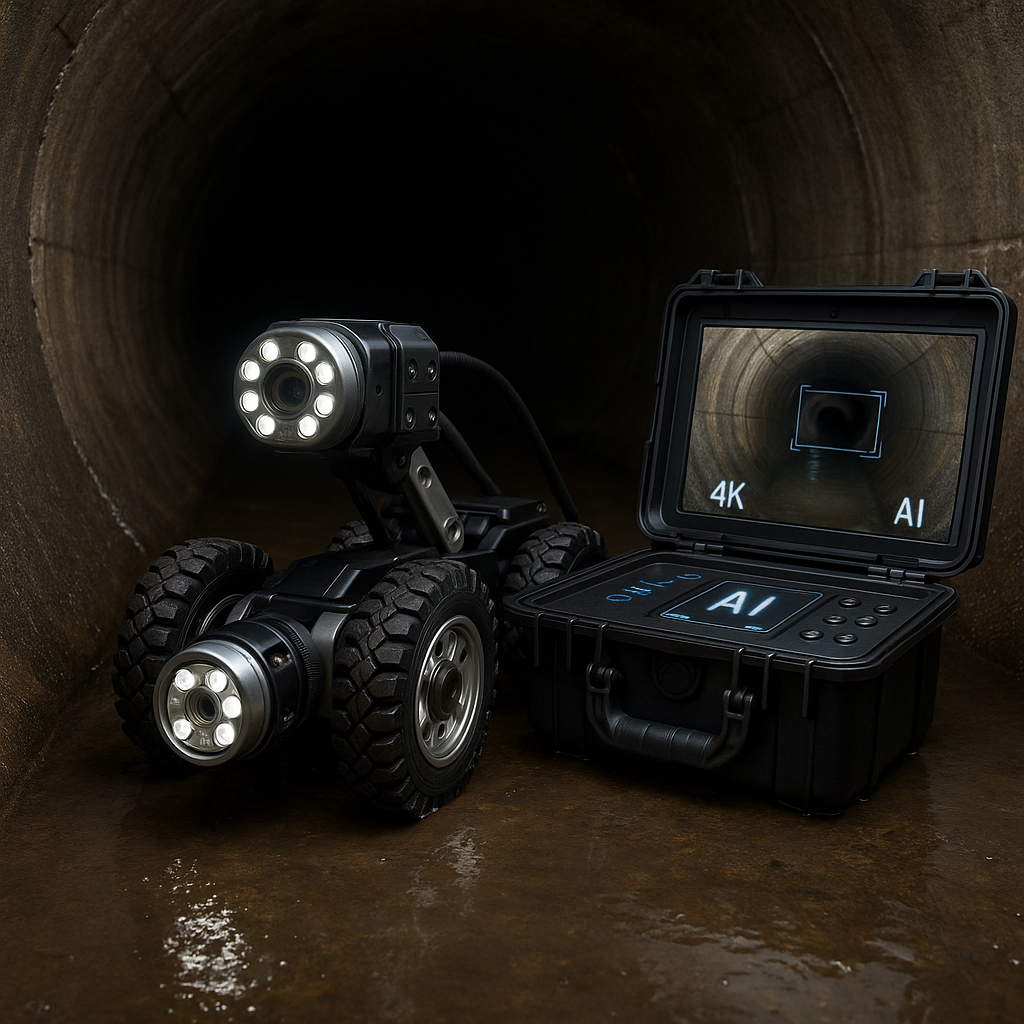
Robotic crawler systems have evolved with better mobility, pan-tilt cameras, and automated cleaning/repair functions. These systems increase inspection reach and data collection capabilities. Key advantages are:
- Access to remote or confined spaces.
- Reduction in inspection time and labor costs.
- Enhanced data accuracy and detail.
Smart Cameras and Real-Time Analytics
Smart sewer inspection cameras equipped with real-time monitoring and data analytics are becoming standard. These cameras facilitate:
- Immediate data analysis and reporting.
- Integration with infrastructure management systems.
- Faster response to detected issues.
Industry Regulations and Standards
While specific 2024 regulations are still developing, there is a clear trend towards stricter standards focusing on environmental sustainability and infrastructure resilience. Professionals must adapt by:
- Adhering to updated safety and data accuracy protocols.
- Ensuring thorough training on new technologies.
- Maintaining compliance with local and international standards.
Market Trends and Opportunities
The sewer inspection market is projected to grow significantly, driven by urbanization and infrastructure investments. Key trends include:
- A CAGR of 5.7% to 7% through 2032, highlighting robust market growth.
- Emerging economies offering substantial opportunities for affordable solutions.
- Companies investing in AI-enabled and robotic tools gaining competitive advantages.
Safety Protocols and Best Practices
Safety in sewer inspections has improved with the adoption of robotic and remote tools, reducing human exposure to hazardous environments. Best practices emphasize:
- Regular inspections with high-resolution and AI analysis.
- Comprehensive training on new systems and technologies.
- Adherence to updated safety standards.
Case Studies and Success Stories
Recent product launches, such as RIDGID’s SeeSnake microDRAIN APX and CUES’ OZ4-HD camera, showcase successful integration of advanced imaging and AI. These innovations demonstrate real-world applications and benefits, such as:
- Enhanced inspection efficiency and accuracy.
- Improved customer satisfaction and reduced service interruptions.
Cost and Pricing Dynamics
The sewer cameras market, valued at approximately USD 389 million in 2024, is expected to exceed USD 600 million by 2032. Professionals should consider:
- Balancing premium features with cost-effective solutions.
- Investing in technologies that offer long-term savings and efficiencies.
Conclusion
The 2024 sewer inspection landscape is defined by innovation and growth. Professionals must embrace new technologies, adhere to evolving regulations, and leverage market opportunities to enhance their operations. By doing so, they can ensure sustainable infrastructure management and remain at the forefront of industry advancements.