Sewer Inspection: Best Practices for 2024
Explore the latest best practices in sewer inspection, focusing on AI, robotics, and sustainability for enhanced efficiency and safety.
Introduction
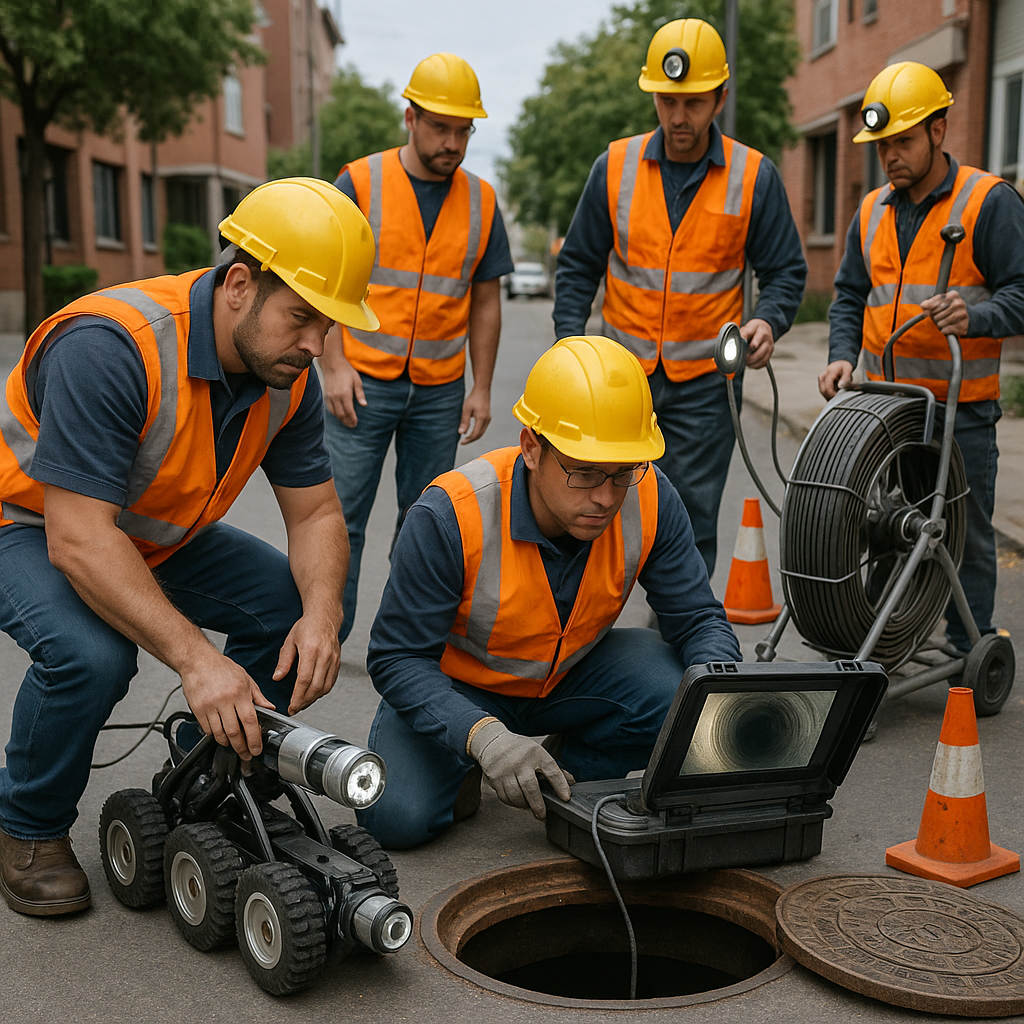
In 2024, the sewer inspection industry is experiencing a paradigm shift, driven by technological advancements and stringent regulatory requirements. The integration of artificial intelligence (AI), robotics, and high-resolution imaging has revolutionized how inspections are conducted, offering unprecedented accuracy and safety.
The Role of Technology in Sewer Inspection
AI and Machine Learning
AI-powered cameras, such as the RIDGID SeeSnake microDRAIN APX, are transforming sewer inspections by automating defect detection. These systems provide real-time feedback, helping operators identify issues like cracks and blockages with minimal human intervention.
Robotics and High-Resolution Imaging
- Robotic Crawlers: Devices like the Envirosight ROVVER X SAT II offer improved maneuverability, allowing access to hard-to-reach lateral lines.
- 4K Cameras: High-resolution imaging is becoming standard, offering clearer visuals for detecting even minor pipe defects.
Wireless and Portable Systems
Lightweight, battery-powered inspection tools are increasingly popular, providing ease of use in tight or remote locations.
3D Mapping and Data Analytics
Advanced robotic systems now offer 3D mapping capabilities, supporting more accurate assessments and predictive maintenance.
Industry Regulations and Standards
Environmental Compliance
Non-destructive testing (NDT) methods are emphasized to extend infrastructure lifespan and ensure compliance with environmental regulations.
Proactive Maintenance
Municipalities are shifting from reactive to proactive maintenance strategies, driven by regulatory requirements to prevent environmental hazards.
Sustainability
Robotic inspections align with global sustainability goals, reducing carbon footprints compared to traditional methods.
Market Trends and Business Opportunities
Market Growth
The global sewer inspection systems market is projected to grow at a CAGR of 7.5% from 2023 to 2030, reaching $6.2 billion.
Diversified Applications
Demand is rising not only in municipal services but also in construction and environmental management.
Regional Expansion
Rapid urbanization in Asia and South America presents new growth opportunities.
Product Innovation
Companies are upgrading portfolios with AI, IoT, and user-friendly designs to meet evolving customer needs.
Safety Protocols and Best Practices
Remote Inspection
Using CCTV and robotic systems minimizes the need for workers to enter confined or hazardous spaces, enhancing safety.
Real-time Data
Advanced systems provide immediate feedback, allowing for quicker decision-making and reducing downtime.
Training and Certification
Ongoing training for operators on new equipment and software is crucial to maintain safety and efficiency.
Environmental Protection
Best practices include measures to prevent spills and contamination during inspections, in line with stricter environmental standards.
Recent Case Studies or Success Stories
CU Denver’s AI Tool
In December 2024, CU Denver developed an AI tool that automates defect inspection and detection, significantly improving the accuracy and speed of sewer assessments.
Municipal Adoption
Cities investing in advanced inspection technologies report reduced emergency repairs, lower long-term costs, and improved compliance with environmental regulations.
Product Launches
The introduction of systems like the RIDGID SeeSnake microDRAIN APX demonstrates industry momentum toward more capable and user-friendly inspection solutions.
Cost and Pricing Information
Market Size
The sewer cameras market was valued at approximately $389 million in 2024, with a forecasted CAGR of 5.7% through 2032.
Equipment Costs
Advanced robotic and AI-integrated systems represent a significant upfront investment but offer long-term savings through reduced labor, fewer repeat inspections, and minimized infrastructure damage.
ROI
Proactive inspection and maintenance strategies, enabled by new technologies, are proving cost-effective by preventing major failures and extending asset life.
Conclusion
The sewer inspection industry in 2024 is defined by technological innovation, regulatory evolution, and a shift toward sustainability. AI, robotics, and high-resolution imaging are setting new standards for accuracy, safety, and efficiency, while stricter environmental regulations are pushing municipalities and contractors to adopt proactive, non-destructive inspection methods.
Practical Tips and Actionable Advice
- Invest in Training: Ensure your team is well-trained on the latest technologies and safety protocols.
- Adopt Proactive Strategies: Shift from reactive to proactive maintenance to reduce long-term costs.
- Embrace Technology: Utilize AI and robotics to enhance inspection accuracy and efficiency.
- Stay Compliant: Regularly review and adhere to industry regulations and standards for environmental protection.