Revolutionizing Sewer Systems with Trenchless Repair Tech
Discover how trenchless repair technology is transforming sewer inspections, enhancing safety and efficiency with AI and robotics.
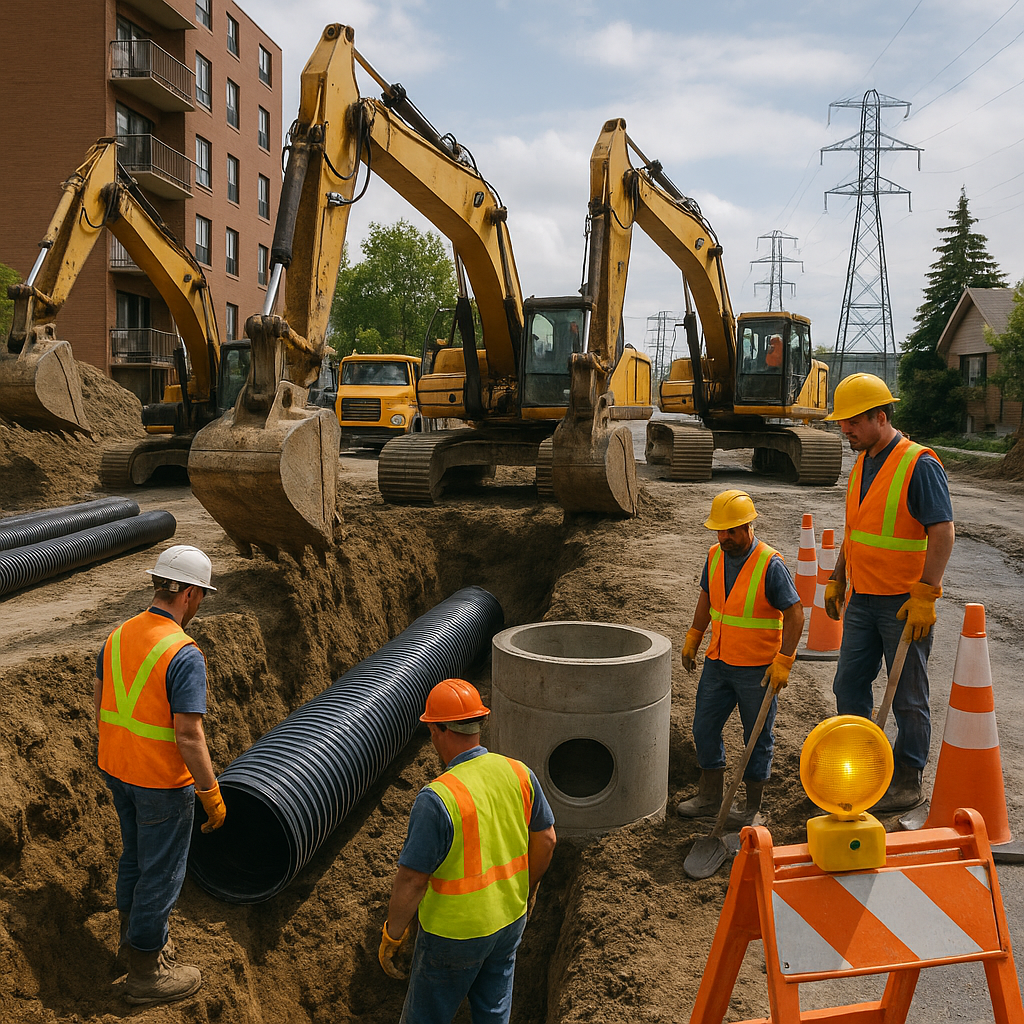
Revolutionizing Sewer Systems with Trenchless Repair Technology
Introduction
Trenchless repair technology has become a game-changer in the sewer inspection industry, seamlessly integrating advanced robotics, AI-driven data analysis, and digital systems. This transformative approach not only minimizes excavation but also enhances efficiency, safety, and cost-effectiveness. As we delve into 2024, various trends and developments are shaping how sewer systems are managed and maintained.
New Technologies and Equipment
Advanced Robotics and AI
Robotics and autonomous crawler systems equipped with high-definition, pan-and-tilt cameras are revolutionizing sewer inspections. These technologies offer detailed views of sewer pipes without the need for excavation. AI-powered software enhances this process by automating defect detection—analyzing video feeds in real-time to identify issues such as cracks, blockages, and joint displacements with remarkable accuracy.
- Digital Twins and GIS Integration: These tools offer dynamic visualization of sewer networks, allowing utilities to plan proactive maintenance and rehabilitation.
- Benefits: Enhanced inspection coverage, reduced human error, and improved decision-making speed.
Industry Regulations and Standards
Compliance with environmental regulations is crucial. Digital monitoring tools facilitate early leak and illegal discharge detection, preventing environmental contamination. Additionally, automated reporting and digital logs support adherence to safety standards and provide transparent documentation for audits.
Market Trends and Business Opportunities
The sewer inspection camera market is booming, projected to reach $377 million by 2025. There is increasing demand for integrated systems that combine camera inspection with pipeline mapping and pressure testing.
- Segmentation:
- Smaller, maneuverable cameras for residential and commercial pipes (0-100 mm diameter) constitute about 30% of the market.
- Mid-size pipes (100-200 mm) account for 40%, highlighting their wide applicability.
Safety Protocols and Best Practices
Remote inspection technologies significantly reduce the need for workers to enter confined, hazardous environments, mitigating risks from toxic gases and falls. Portable gas detectors, real-time video feeds, and digital safety logs enhance worker protection. Meanwhile, environmental monitoring tools help prevent sewage spills, maintaining public health.
Recent Case Studies and Success Stories
The Town of Newburgh’s Success
Newburgh’s sewer department leveraged AI-powered inspection software, PipeAId, to process data from 40,000 linear feet of pipes. By creating a digital twin integrated with GIS, they achieved unbiased condition assessments and extended pipe lifespan while making maintenance decisions more cost-effective.
- Impact: Improved transparency and communication with stakeholders and streamlined inspection workflows.
Cost and Pricing Information
The cost of advanced inspection systems varies based on pipe size and capability. Smaller push-rod cameras are generally more affordable than sophisticated robotic systems equipped with AI and GIS integration.
- Trends: Cloud-based data management and user-friendly interfaces are helping to reduce operational costs by improving inspection efficiency and minimizing unnecessary repairs.
Conclusion
Trenchless repair technology is redefining the landscape of sewer inspection and maintenance. By leveraging the latest advancements in robotics, AI, and digital systems, businesses and municipalities can significantly reduce environmental impact, enhance safety, and optimize operational efficiency. Professionals in the field should stay informed about these trends to harness the full potential of these innovative solutions.
Practical Tips and Actionable Advice
- Stay updated with the latest technology developments in robotics and AI for sewer inspection.
- Invest in digital twins and GIS integration for proactive maintenance planning.
- Ensure compliance with industry regulations through automated monitoring tools.
- Incorporate remote inspection technologies to enhance worker safety.
- Consider cloud-based solutions to reduce operational costs and streamline data management.