Revolutionizing PVC Pipe Inspection with Advanced Tech
Explore cutting-edge technologies shaping PVC pipe inspection in 2024 for enhanced accuracy, safety, and compliance.
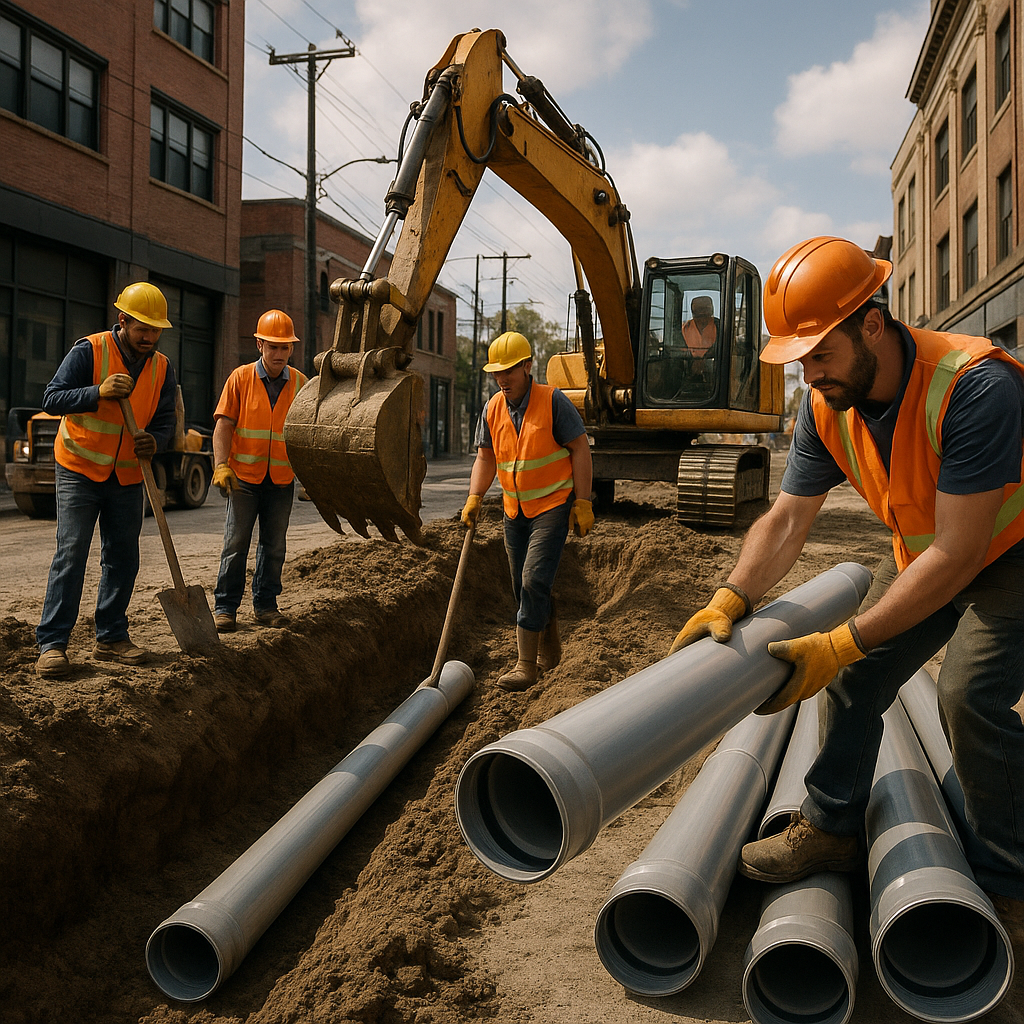
Revolutionizing PVC Pipe Inspection with Advanced Tech
In 2024, the field of PVC pipe inspection has witnessed significant advancements, driven by technology, safety protocols, and regulatory requirements. These improvements are transforming how sewer systems and residential plumbing are assessed, offering enhanced accuracy and efficiency.
New Technologies and Equipment
Robotic Sewer Inspection Cameras
Modern robotic sewer inspection systems, such as crawler and push rod cameras, are at the forefront of PVC pipe inspection. These robots can traverse up to 2000 meters inside pipes, delivering real-time, high-definition video with integrated lighting. This capability allows for detailed examination of blockages, corrosion, and structural damage. The inclusion of lateral projection cameras further enhances the inspection of smaller lateral pipes, ensuring comprehensive coverage.
Multi-Sensor Systems with AI and Deep Learning
The integration of multi-sensor systems utilizing camera arrays, LiDAR, and deep learning algorithms marks a new era in defect detection. These systems generate 3D point clouds that surpass traditional 2D imaging, refining defect localization and automating damage classification. This technological leap enhances accuracy without the need for pixel-level annotations.
Digital and Cloud-Based Platforms
Platforms like SewerAI™ and Pioneer™ utilize AI to analyze inspection footage in real-time, detecting defects as small as 1mm. These tools minimize human error and offer cloud storage solutions for instant data access, facilitating swift decision-making and ensuring regulatory reporting compliance.
Environmental Sensors and Smart Mapping
Advanced sensors are now integral to PVC pipe inspections, monitoring water flow and pipe conditions for early leak detection or illegal discharges. This proactive approach helps prevent environmental contamination and ensures compliance with EPA and local regulations.
Industry Regulations and Standards
Compliance with evolving regulations is crucial for PVC pipe inspection businesses. EPA standards are increasingly supported by automated reporting and digital record-keeping, streamlining audits and inspections. NASSCO certification further guides the use of digital tools and data management, maintaining infrastructure integrity and safety.
Market Trends and Business Opportunities
The integration of AI and cloud technologies is reshaping the inspection industry. By accelerating workflow efficiency and reducing operational costs, these innovations open new opportunities in infrastructure monitoring and maintenance. Conferences like WEFTEC emphasize the growing interest in these solutions, indicating a shift towards data-driven decision-making.
Safety Protocols and Best Practices
Remote inspection technologies, including drones and robotic systems, significantly enhance safety by reducing worker exposure to hazardous environments. Real-time video feeds and digital logs enable risk identification before physical entry, ensuring compliance with safety standards.
Recent Case Studies and Success Stories
Businesses utilizing AI-powered platforms report faster and more accurate diagnostics, with comprehensive reporting delivered within 15 business days. The use of advanced robotic cameras has successfully facilitated long-distance inspections of large-diameter PVC pipes, overcoming traditional limitations and reducing manual labor.
Cost and Pricing Information
Sewer line camera inspections, offering a non-intrusive view inside pipes, are cost-effective in the long run. The early detection of issues like blockages or corrosion prevents expensive repairs. The adoption of AI and robotic systems is anticipated to further decrease inspection costs by minimizing manual labor and enhancing defect detection accuracy.
Practical Tips for Professionals
- Stay Updated with Technology: Regularly train your team on the latest inspection technologies and tools.
- Invest in AI and Cloud Platforms: These investments can enhance operational efficiency and accuracy.
- Emphasize Safety: Incorporate remote inspection tools to minimize risks in hazardous environments.
Conclusion
The advancements in PVC pipe inspection technology in 2024 are remarkable, offering improved accuracy, safety, and regulatory compliance. By embracing these innovations, businesses can enhance their operational efficiency and open new market opportunities.