Navigating 2024 Sewer Inspection Market Rates
Explore 2024 sewer inspection market rates, driven by tech innovations and regulations. Tips for cost-effective services.
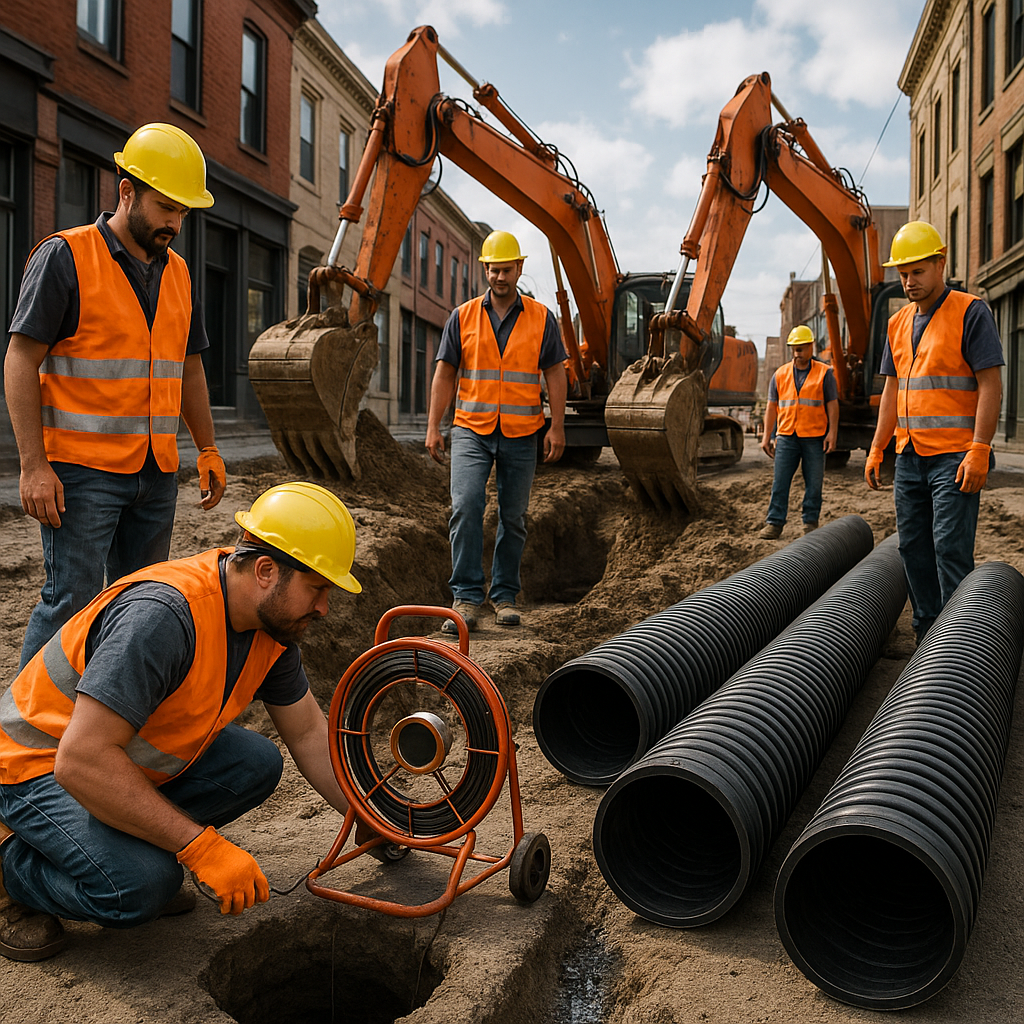
Navigating 2024 Sewer Inspection Market Rates
Introduction
The sewer inspection industry is witnessing significant changes in 2024, with technological advancements and regulatory shifts shaping market dynamics. Understanding these factors is crucial for professionals aiming to optimize their services and pricing strategies. This article explores the current market rates, the impact of new technologies, regulatory requirements, and tips for staying competitive.
Industry Overview
Technological Innovations
- AI and Machine Learning: The integration of AI into sewer inspection tools is revolutionizing defect detection, enabling automated identification of common issues such as cracks, blockages, and root intrusions. These advancements not only enhance accuracy but also facilitate predictive maintenance, reducing long-term costs.
- High-Definition Imaging: The shift towards 4K and ultra-HD cameras provides clearer visuals of pipe interiors, allowing for more precise defect assessment and enhanced reporting capabilities.
- Robotic Crawlers: Modular robotic crawlers with pan-and-tilt capabilities are increasingly used for their ability to navigate complex pipe networks efficiently, offering real-time data transmission.
- Wireless Systems: The adoption of portable, battery-powered inspection systems is on the rise due to their ease of use in confined spaces, minimizing setup time and labor costs.
- Cloud-Based Data Management: Real-time data sharing and analytics platforms are streamlining workflows, enabling better decision-making and asset management.
Regulatory Changes
- Environmental Regulations: Stricter regulations demand regular and thorough inspections to prevent leaks and environmental contamination. Compliance with these standards is critical for service providers.
- Reporting Standards: New standards for data accuracy and inspection frequency are emerging, especially in urban and environmentally sensitive areas.
Market Trends
Growth and Opportunities
- Market Expansion: The sewer inspection market is projected to grow at a CAGR of 5.5%–7.5% through 2033, reaching values between $6–8 billion. This growth is fueled by aging infrastructure and increased awareness among homeowners.
- Proactive Maintenance: The shift from reactive to proactive maintenance strategies is driving demand for advanced inspection technologies, offering new business opportunities.
- Mergers and Acquisitions: Strategic acquisitions are helping larger firms expand their technology portfolios, enhancing service offerings and market reach.
Safety and Best Practices
- Non-Destructive Testing: NDT methods are preferred to minimize infrastructure damage during inspections.
- Remote Monitoring: Utilizing robotic inspections reduces the need for personnel in hazardous environments, improving safety standards.
- Training and Certification: Emphasizing operator training and certification ensures compliance with safety standards and enhances service quality.
Pricing Insights
Cost and Service Pricing
- Basic vs. Advanced Systems: Entry-level inspection tools like push-rod cameras remain cost-effective for small contractors. In contrast, high-end robotic systems with AI and 4K imaging command higher prices due to their advanced capabilities.
- Residential Inspection Rates: Costs typically range from $100 to $500, depending on the complexity of the system and location. Advanced inspections using robotic and AI technologies can be more expensive but offer comprehensive diagnostics and predictive insights.
Practical Tips for Professionals
- Leverage Technology: Invest in advanced inspection tools to enhance service quality and stay competitive.
- Stay Informed: Keep up with regulatory changes to ensure compliance and avoid potential penalties.
- Optimize Pricing: Analyze market trends to adjust pricing strategies, ensuring they reflect the value of advanced services offered.
- Enhance Training: Regularly train staff to use new technologies effectively, improving service delivery and customer satisfaction.
Conclusion
The sewer inspection market in 2024 is defined by technological innovation, regulatory pressures, and a shift toward proactive maintenance. By understanding these dynamics and adapting accordingly, professionals can optimize their services, ensure compliance, and capitalize on emerging business opportunities.