Mastering Sewer Inspection Troubleshooting in 2024
Enhance your sewer inspection skills with the latest technologies and best practices in troubleshooting for 2024.
Mastering Sewer Inspection Troubleshooting in 2024
Introduction
Sewer inspection troubleshooting is a critical aspect of maintaining efficient and sustainable sewer systems. With the rapid advancements in technology, professionals in the sewer inspection and plumbing industries must stay up-to-date with the latest tools and techniques. This guide will explore the most recent developments in sewer inspection technology, industry regulations, and best practices for troubleshooting common issues.
New Technologies and Equipment
Robotic Inspection Systems
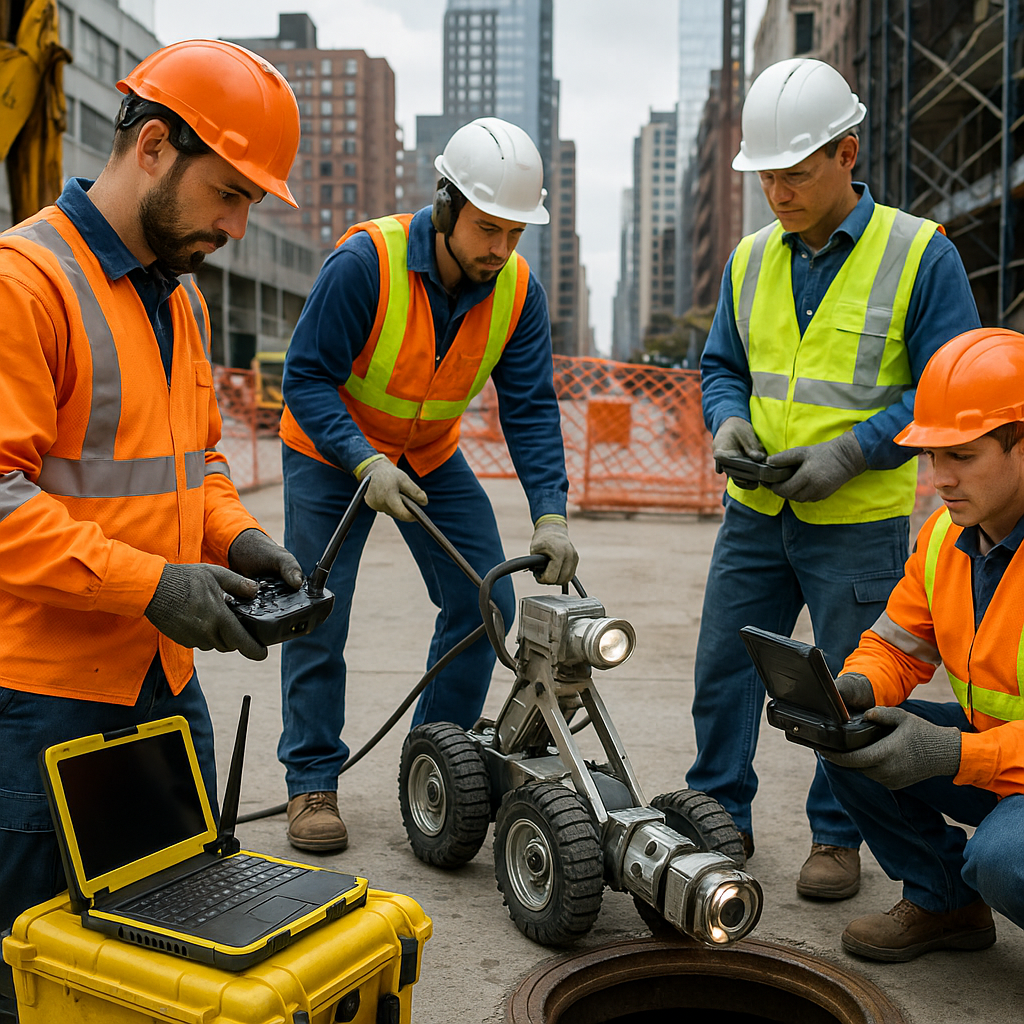
The integration of robotic systems equipped with high-resolution cameras, 3D mapping capabilities, and AI for defect detection is revolutionizing sewer inspections. These technologies not only enhance inspection accuracy but also reduce the need for human intervention, improving safety and efficiency.
Advanced Camera Systems
Modern camera systems now include high-definition cameras with pan-and-tilt capabilities and AI-powered defect detection, allowing for more precise inspections while reducing operational costs.
Wireless and Portable Systems
The rise of lightweight, wireless, and battery-powered systems has made sewer inspections more manageable, especially in tight or remote areas. These systems provide flexibility and ease of use, making them a popular choice among professionals.
Industry Regulations and Standards
Environmental Regulations
Stringent environmental regulations have increased the demand for regular sewer inspections. These inspections ensure compliance with sustainable waste management practices, helping to protect the environment.
Non-Destructive Testing (NDT)
NDT methods are becoming more prevalent as they extend the lifespan of sewer systems without causing infrastructure damage. This aligns with environmental standards and promotes sustainable practices.
Market Trends and Business Opportunities
Market Growth
The sewer inspection systems market is experiencing significant growth due to urbanization and aging infrastructure. This trend presents numerous opportunities for businesses to expand their services and adopt the latest technologies.
Mergers and Acquisitions
There is moderate M&A activity in the industry, with larger companies acquiring smaller firms to enhance their technological capabilities. This trend is expected to continue as the demand for advanced inspection technologies grows.
Safety Protocols and Best Practices
Reduced Human Intervention
The incorporation of AI and robotics minimizes the need for manual inspections, enhancing safety by reducing exposure to hazardous environments.
Efficient Inspection Technologies
Developing more efficient inspection technologies reduces downtime and provides real-time data, enabling informed decision-making and improving overall safety and efficiency.
Practical Tips for Troubleshooting Sewer Inspections
- Utilize Advanced Camera Systems: High-definition cameras with pan-and-tilt capabilities can identify defects more precisely, providing clearer visuals for troubleshooting.
- Leverage AI for Defect Detection: AI-powered systems can automatically detect defects, reducing human error and improving inspection accuracy.
- Adopt Wireless Systems: Use lightweight, portable systems for easier navigation in tight or remote locations.
- Follow Safety Protocols: Ensure all inspections comply with the latest safety standards to protect personnel and equipment.
- Regular Training: Keep teams updated with the latest technologies and techniques through regular training sessions.
Conclusion
Staying ahead in the sewer inspection industry requires embracing new technologies and adhering to industry standards. By incorporating the latest advancements in robotic systems, camera technologies, and AI, professionals can improve their troubleshooting capabilities and ensure the efficient and sustainable management of sewer systems.