Mastering Sewer Inspection Regulations: A 2023 Guide
Explore the latest in sewer inspection regulations, technology, and best practices for 2023. Stay compliant with our comprehensive guide.
Mastering Sewer Inspection Regulations: A 2023 Guide
Introduction
In an era where urbanization and technology converge, the sewer inspection industry stands at the forefront of innovation. New regulations and technologies are reshaping how inspections are conducted, demanding both precision and compliance. This guide explores the evolving landscape of sewer inspection regulations in 2023, providing insights for professionals to stay ahead.
Understanding Sewer Inspection Regulations
Overview of Current Regulations
Sewer inspection regulations are driven by environmental concerns and the necessity for sustainable urban infrastructure. Globally, regulations emphasize non-destructive testing (NDT) methods to minimize the impact on existing structures while ensuring thorough inspections.
- Environmental Compliance: Stricter guidelines demand regular inspections to prevent leaks and contamination.
- Data Transparency: Regulations require detailed documentation of inspection data, facilitating better decision-making and accountability.
- Proactive Maintenance: Municipalities are encouraged to adopt strategies that leverage AI-driven analytics for predictive maintenance.
Key Regulatory Bodies
- EPA (Environmental Protection Agency): Sets national standards in the U.S. for water quality and sewer systems.
- Local Municipal Agencies: Implement region-specific rules that align with national standards but address local concerns.
The Role of Technology in Meeting Regulations
Cutting-Edge Tools and Technologies
The integration of robotics and AI in sewer inspections is transforming the industry.
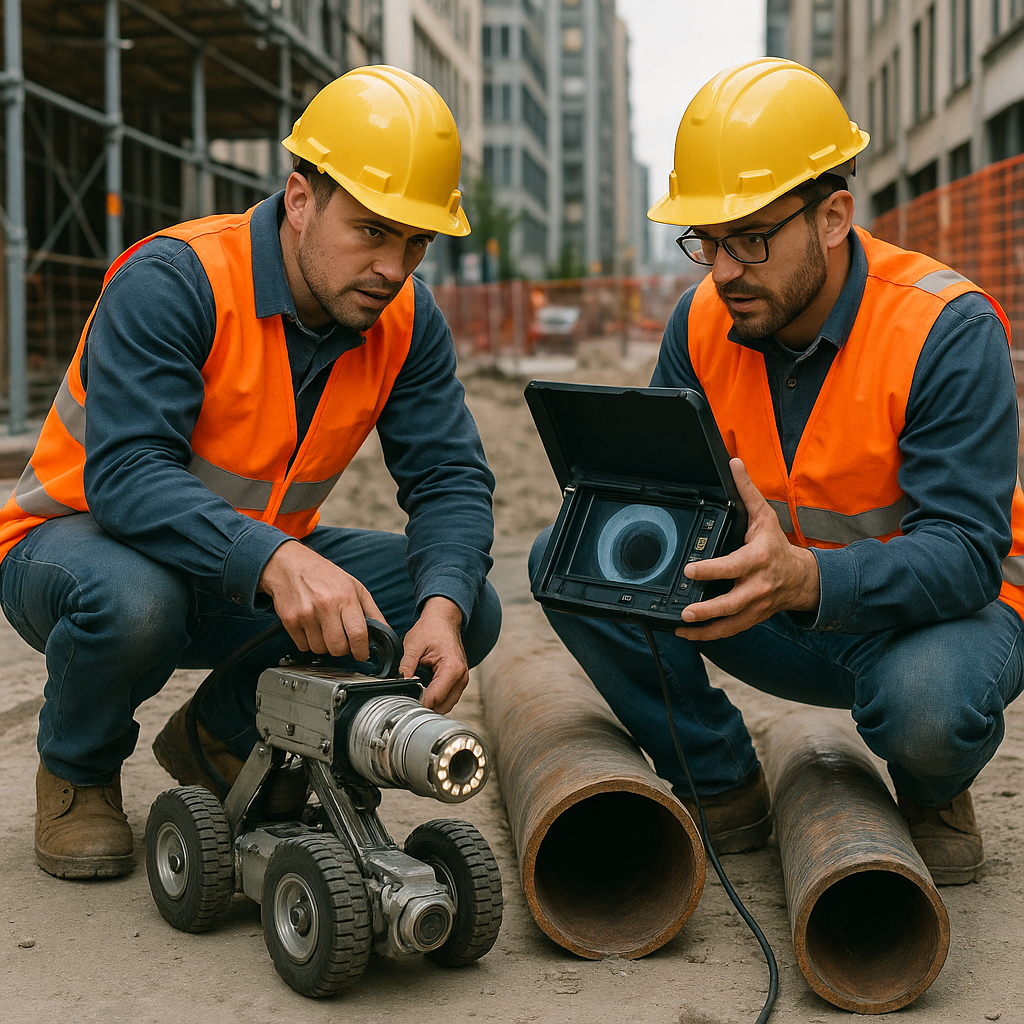
- Robotic Inspection Systems: Equipped with high-resolution cameras and AI for defect detection, these systems offer unparalleled accuracy.
- Wireless and Portable Devices: Enhance flexibility and accessibility for inspections in remote or constrained environments.
- Smart Plumbing Systems: Integrate with home automation platforms to monitor water usage and detect leaks.
Case Study: AI-Driven Inspections
CU Denver's College of Engineering recently developed an AI tool that automates defect detection, improving inspection accuracy and efficiency. Such innovations demonstrate the potential of technology to meet regulatory demands while reducing operational costs.
Staying Compliant with Evolving Standards
Best Practices for Sewer Inspection
- Regular Training: Equip teams with the latest knowledge on using advanced inspection tools and interpreting AI data.
- Documentation: Maintain comprehensive records of all inspections, as required by regulatory bodies.
- Predictive Maintenance: Utilize AI analytics to anticipate potential failures and schedule timely repairs.
Practical Tips
- Invest in Technology: While the initial cost may be high, the long-term savings in maintenance and compliance are substantial.
- Engage with Regulators: Stay updated on regulatory changes by participating in industry forums and government meetings.
Market Trends and Opportunities
Growth Forecast
The sewer inspection systems market is projected to expand significantly, driven by urbanization and aging infrastructure. This growth presents ample opportunities for businesses offering advanced analytics and user-friendly equipment.
Emerging Niches
- AI and Data Analytics: Companies focusing on AI-driven solutions are well-positioned to capitalize on new market demands.
- Sustainability Solutions: Innovations in water-efficient fixtures and greywater recycling align with regulatory trends towards sustainability.
Conclusion
Navigating the complex landscape of sewer inspection regulations requires a blend of technological innovation and adherence to stringent standards. By staying informed and investing in the latest technologies, professionals can ensure compliance and leverage new opportunities in this evolving industry.
Frequently Asked Questions
What are the benefits of robotic inspections?
Robotic systems provide enhanced accuracy, reduce the need for manual entry into hazardous environments, and support comprehensive data collection.
How can AI improve sewer inspections?
AI enhances defect detection accuracy, supports predictive maintenance, and helps prioritize repair efforts, reducing overall costs.
What should I consider when choosing inspection equipment?
Consider factors like camera resolution, portability, ease of use, and compatibility with data analytics platforms.