Launch a Successful Sewer Inspection Business
Learn how to start a sewer inspection business with cutting-edge technology and industry insights.
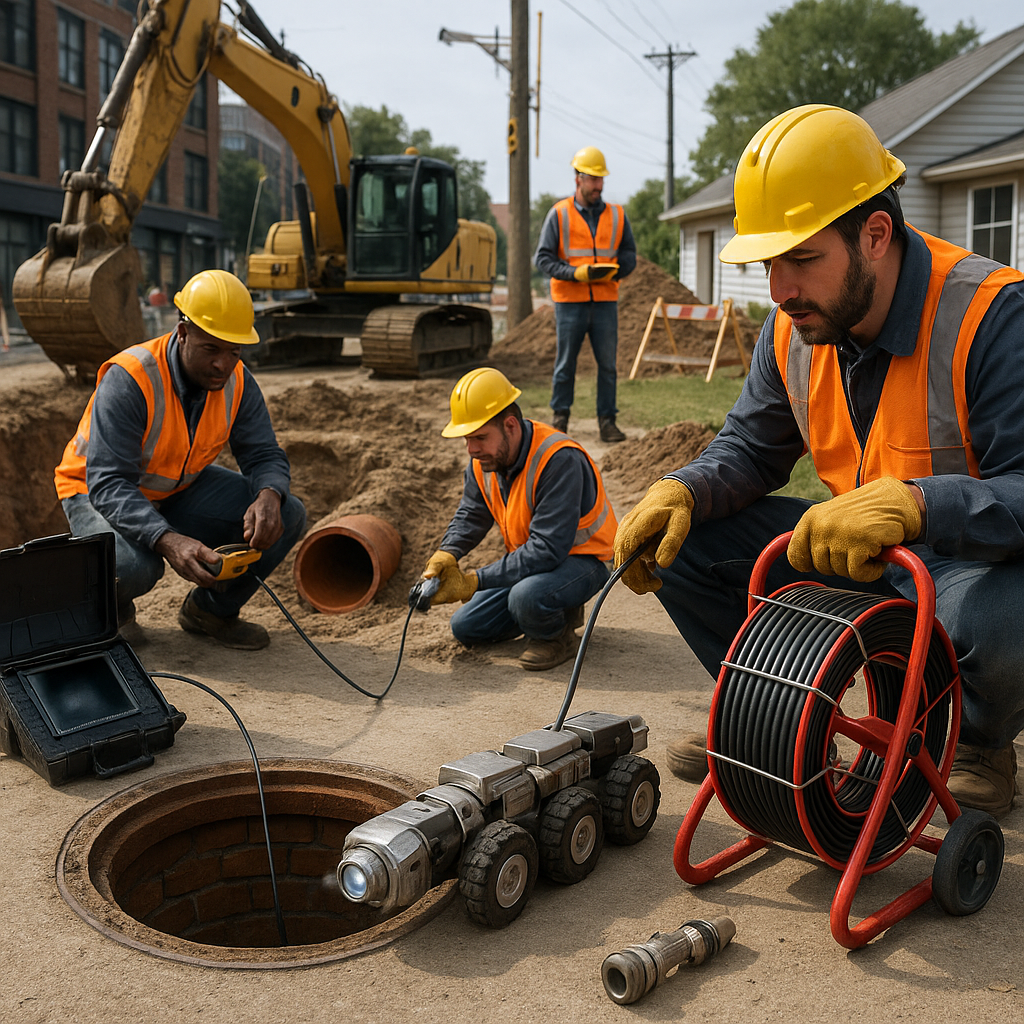
Launch a Successful Sewer Inspection Business
Starting a sewer inspection business in today's technologically advanced environment requires a keen understanding of current industry trends, regulations, and opportunities. This guide will provide you with an in-depth look into the essentials of launching and running a successful sewer inspection enterprise.
Table of Contents
- Understanding the Industry Landscape
- Essential Equipment and Technology
- Regulatory Compliance and Standards
- Market Opportunities and Trends
- Safety Protocols and Best Practices
- Cost and Pricing Strategies
- Steps to Launch Your Business
- Conclusion
Understanding the Industry Landscape
The sewer inspection industry is witnessing significant transformation driven by technological advancements and regulatory requirements. The integration of AI, high-resolution imaging, and robotics has revolutionized how inspections are conducted, improving accuracy and efficiency.
New Technologies and Equipment
- AI and Machine Learning: AI-powered cameras provide real-time defect detection, enhancing accuracy and enabling predictive maintenance.
- High-Resolution Imaging: 4K and ultra-HD cameras deliver clearer visuals, making it easier to identify minute defects.
- Robotic and Wireless Systems: Wireless, battery-powered inspection systems, often robotic, offer portability and access to complex sewer networks.
- Smart Plumbing Systems: IoT-enabled sensors allow for real-time monitoring, identifying leaks and predicting failures.
Essential Equipment and Technology
Investing in the right equipment is crucial for establishing a reputable sewer inspection business.
Equipment Options
- Entry-Level Cameras: Affordable push-rod cameras for small inspections.
- Advanced Robotic Crawlers: Equipped with AI, 4K, and 3D mapping for comprehensive inspections.
Technology Integration
- Software Analytics: Utilize GPS and analytics software for location tracking and reporting.
- Automated Reporting: Streamline compliance with automated data reporting systems.
Regulatory Compliance and Standards
Industry Regulations
- Environmental Regulations: Stricter wastewater management standards necessitate regular inspections.
- Inspection Mandates: Municipalities require periodic CCTV inspections, ensuring consistent demand.
Market Opportunities and Trends
Growth and Diversification
- Market Growth: Projected to grow from USD 389.44 million in 2024 to USD 606.79 million by 2032.
- Service Diversification: Expanding demand from residential, healthcare, and industrial sectors.
Business Expansion
- Mergers and Acquisitions: Opportunities for growth through acquisition of niche technology firms.
- Eco-Friendly Solutions: Emphasize sustainability with robotic inspections to reduce carbon footprint.
Safety Protocols and Best Practices
Safety Enhancements
- Remote Inspection: Utilize CCTV and robotic systems to minimize human entry into hazardous areas.
- Training and Certification: Ensure operators are trained in equipment use and safety hazard recognition.
Cost and Pricing Strategies
Equipment and Service Pricing
- Initial Investment: Advanced equipment requires significant upfront costs but offers long-term benefits.
- Service Pricing: Can be structured per linear foot or flat rate, with premium pricing for AI and robotics.
Steps to Launch Your Business
- Market Research: Understand local demand and competition.
- Business Plan: Develop a comprehensive business plan outlining goals, target markets, and financial projections.
- Licensing and Permits: Obtain necessary licenses and adhere to local regulations.
- Acquire Equipment: Invest in cutting-edge technology to differentiate your services.
- Marketing Strategy: Establish an online presence and network with industry professionals.
- Training and Hiring: Hire skilled operators and provide ongoing training.
Conclusion
Starting a sewer inspection business in today's market requires a strategic approach, integrating technological advancements and adhering to regulatory standards. By investing in advanced equipment and focusing on safety and training, entrepreneurs can capitalize on growing market opportunities and establish a successful business.