Innovative Sewer Inspection: Case Studies & Trends
Explore the latest sewer inspection case studies, highlighting innovative technologies and industry trends shaping 2024. Learn from real-world successes.
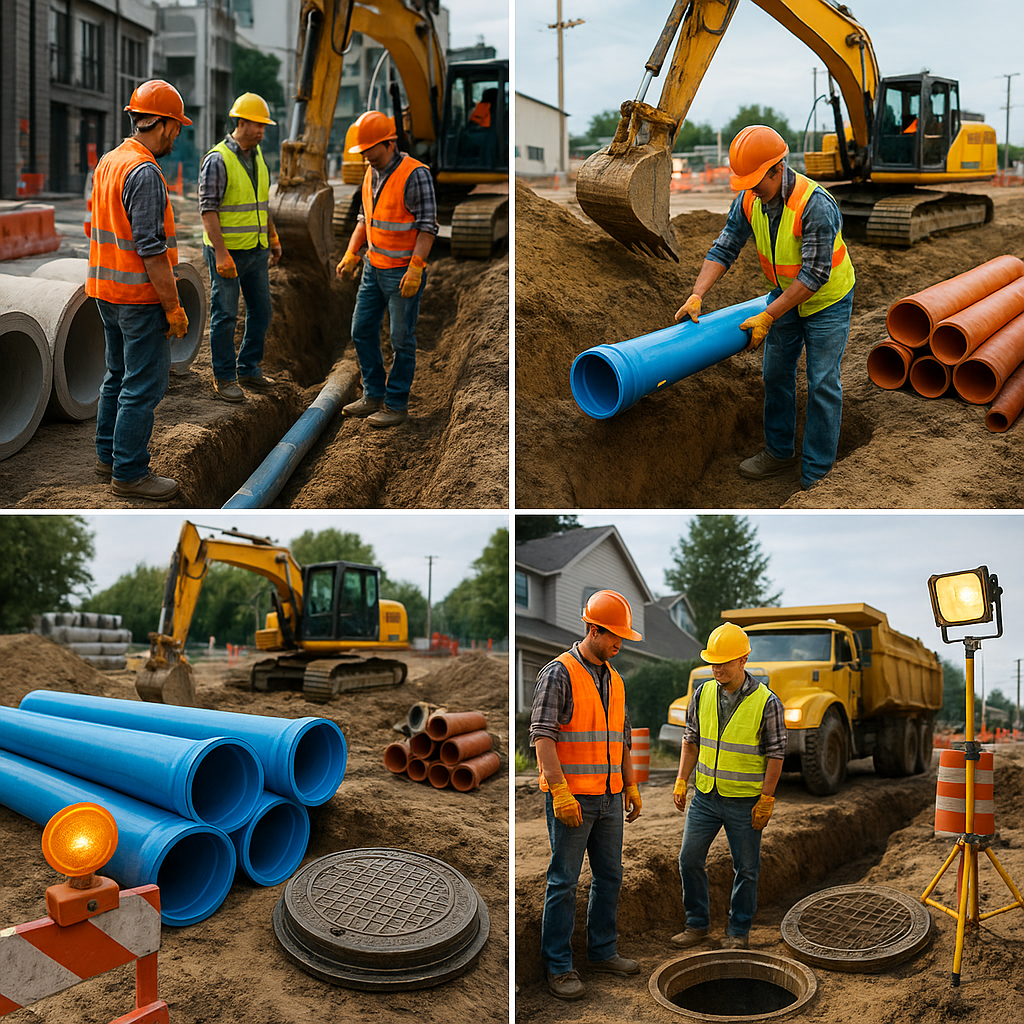
Innovative Sewer Inspection: Case Studies & Trends
Introduction
Sewer inspection has evolved dramatically over the past few years, driven by technological advancements and increasing regulatory demands. In 2024, the industry is seeing a transformative shift with the adoption of cutting-edge technologies, such as robotic and remotely operated vehicles (ROVs) equipped with high-definition cameras, AI, and machine learning. This article delves into recent case studies that showcase these innovations in action, offering insights into how they enhance inspection accuracy and operational efficiency.
The Role of Technology in Modern Sewer Inspections
Advanced Equipment and Tools
- Robotic and ROV Technologies: Equipped with 4K and ultra-HD cameras, these devices offer pan-and-tilt capabilities and advanced acoustic sensors, crucial for assessing aging infrastructure.
- AI and Machine Learning: These technologies automate defect detection, classify issues, and enable predictive maintenance, reducing operational costs and improving report accuracy.
- Wireless and Portable Systems: Lightweight, battery-powered inspection tools are increasingly popular, especially for tight or remote locations.
Cloud-Based Solutions
Cloud-based data storage and remote monitoring platforms are becoming essential, allowing real-time data accessibility and collaboration among stakeholders. This trend supports the proactive and preventive maintenance approach encouraged by new industry standards.
Industry Regulations and Standards
With stringent regulatory requirements pushing for more frequent and detailed assessments, municipalities and infrastructure operators are emphasizing regular inspections to avoid costly failures.
Compliance and Proactive Maintenance
- Regulatory Requirements: Developed countries are enforcing more detailed assessments, increasing the demand for sophisticated inspection technologies.
- Preventative Maintenance Emphasis: Regular inspections are vital to prevent catastrophic failures, making them a cornerstone of modern sewer management strategies.
Market Trends and Business Opportunities
Growth in Sewer Inspection Market
The sewer inspection camera market is projected to grow at a CAGR of approximately 5.7% through 2032. This growth is driven by:
- Urbanization and Aging Infrastructure: Increasing urban populations require robust sewer systems, often necessitating upgrades and inspections.
- Government Investments: Funding in water and wastewater treatment is rising, further boosting demand for inspection technologies.
Smart Plumbing and Eco-Friendly Solutions
The adoption of smart plumbing systems integrating IoT and real-time monitoring is on the rise. Simultaneously, there's a shift towards eco-friendly plumbing solutions, reflecting broader sustainability initiatives.
Recent Case Studies: Real-World Applications
Municipal Sewer Networks
Companies like RIDGID and CUES have introduced new inspection camera systems that significantly enhance inspection quality and operational efficiency. These case studies reveal:
- Improved Detection: Advanced robotic crawlers with AI capabilities have been successful in identifying cracks, corrosion, and blockages.
- Operational Efficiency: The integration of rotating imaging and high-definition upgrades has streamlined processes, reducing time and labor costs.
Residential and Commercial Applications
Inspection systems are being tailored for diverse environments, from residential neighborhoods to commercial complexes, showcasing flexibility and adaptability.
Safety Protocols and Best Practices
The adoption of robotics and remote inspection tools minimizes human entry into hazardous confined spaces, enhancing safety. AI-driven automated defect detection supports safety by enabling early problem identification, reducing manual review efforts.
Cost and Pricing Considerations
The sewer camera market was valued at approximately USD 389 million in 2024. Prices are influenced by:
- Camera Resolution and AI Capabilities: Higher resolution and advanced AI features command premium pricing.
- Portability Features: Lightweight and battery-powered systems offer cost-effective solutions for specific applications.
Conclusion
The integration of AI and robotics into sewer inspections is revolutionizing the industry, offering enhanced accuracy, safety, and efficiency. As the market continues to grow, driven by regulatory demands and infrastructure investments, businesses must adopt these technologies to stay competitive.
Practical Tips for Professionals
- Leverage AI and Robotics: Integrate AI-powered tools to enhance inspection accuracy and efficiency.
- Embrace Cloud Solutions: Use cloud-based platforms for data management and collaboration.
- Adopt Preventative Maintenance: Regular inspections can prevent costly system failures.