Advanced Cast Iron Pipe Inspection Techniques
Explore the latest in cast iron pipe inspection with AI, robotics, and digital twins for efficient, cost-effective maintenance.
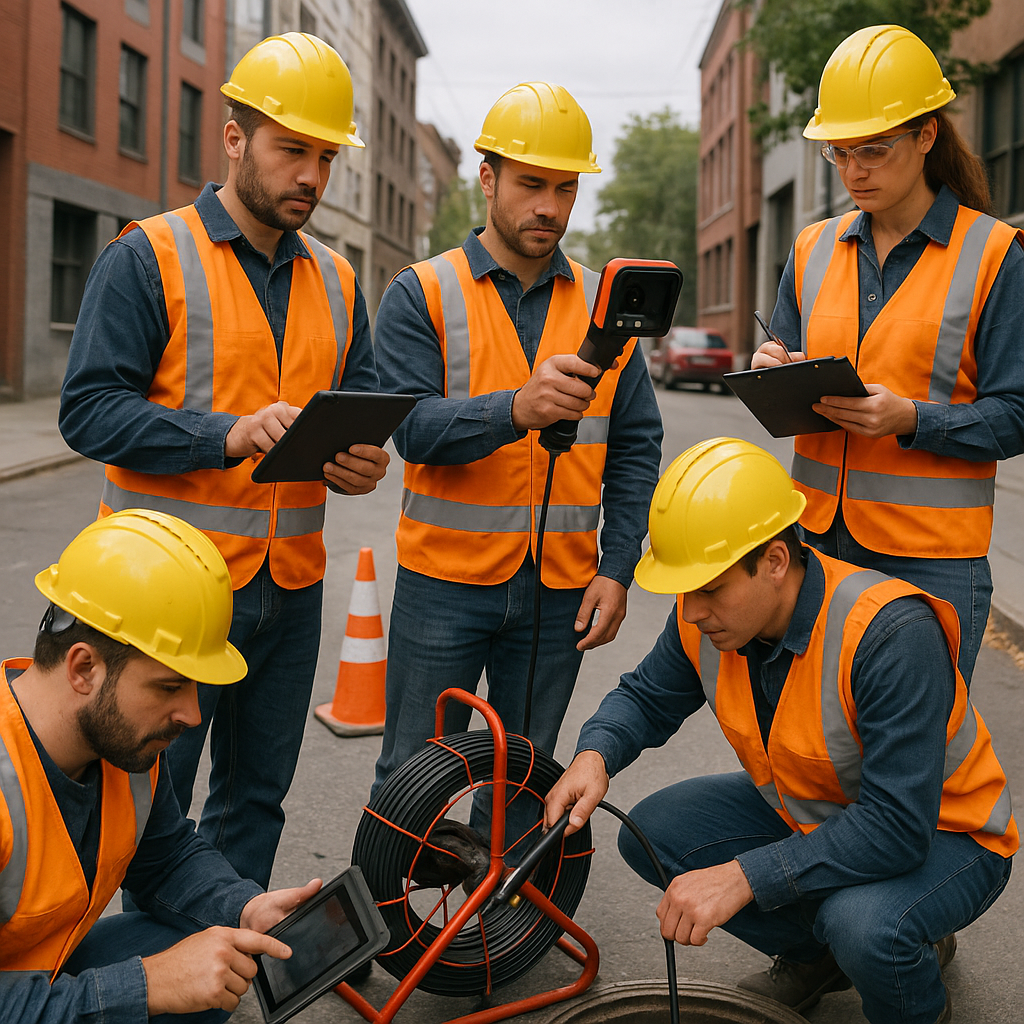
Advanced Cast Iron Pipe Inspection Techniques
In 2024, the inspection of cast iron pipes has evolved significantly, driven by technological advancements and regulatory requirements. This article explores modern techniques and tools that are transforming sewer inspections, offering valuable insights for professionals in the field.
The Evolution of Cast Iron Pipe Inspection
Cast iron pipes, widely used in sewer systems, present unique challenges due to their susceptibility to corrosion and structural wear. Recent technological advancements have made it easier to detect and address these issues efficiently.
AI-Powered CCTV Inspection
- Automated Defect Detection: AI algorithms now analyze video feeds in real-time, identifying cracks, corrosion, root intrusion, and joint displacement with greater accuracy than manual reviews.
- High-Definition Imaging: Modern CCTV systems offer high-definition video quality, improving the clarity and detail of inspections.
Multi-Sensor Robotic Systems
- Comprehensive Data Capture: Advanced robotic crawlers equipped with camera arrays, LiDAR, and 3D point cloud sensors optimize detection of corrosion and structural deformation.
- Enhanced Mobility: These robots navigate complex pipe networks, capturing detailed surface data and ensuring thorough inspections.
Integration of Digital Twins and GIS
- Dynamic Virtual Models: Digital twins create AI-powered models of sewer networks, allowing real-time monitoring and predictive maintenance.
- Precise Mapping: GIS integration provides accurate mapping of pipe conditions, defect locations, and network layouts.
Cloud-Based Solutions and Remote Collaboration
- Instant Data Access: Cloud platforms and mobile apps enable instant access to inspection data, facilitating remote collaboration and decision-making.
- Automated Reporting: These solutions streamline workflows, reducing turnaround times for repairs and maintenance.
Navigating Industry Regulations and Standards
- Compliance with EPA Standards: Advanced inspection technologies help detect leaks and illegal discharges, ensuring compliance with environmental regulations.
- Standardized Data Reporting: There's a push for standardized reporting formats to facilitate audits and long-term asset management.
Market Trends and Business Opportunities
- Preventive Maintenance Demand: Growing urban populations and aging infrastructure increase the demand for proactive inspection and maintenance.
- AI and Robotics Growth: Expanding markets for AI-driven tools and robotic systems offer new business opportunities.
Safety Protocols and Best Practices
- Remote and Real-Time Monitoring: The use of remote cameras, drones, and robots reduces risk and improves safety compliance.
- Digital Record-Keeping: Automated systems track safety risks and ensure adherence to best practices.
Case Studies and Success Stories
- Newburgh, NY: Utilized PipeAId for processing 40,000 feet of pipes, leveraging AI and digital twins to enhance pipe lifespan and decision-making.
- CUES OZ4-HD Camera: This camera's introduction has improved accuracy in detecting pipeline issues in challenging environments.
Cost and Pricing Insights
- Investment in AI and Robotics: Though initial costs are high, long-term savings from reduced labor and extended pipe lifespan are significant.
- Scalable Cloud Solutions: Subscription models make advanced tools accessible to smaller contractors and municipalities.
Conclusion
The integration of AI, robotics, and digital twins is transforming cast iron pipe inspections, offering efficient, cost-effective, and environmentally responsible solutions for maintaining aging infrastructure.